取消
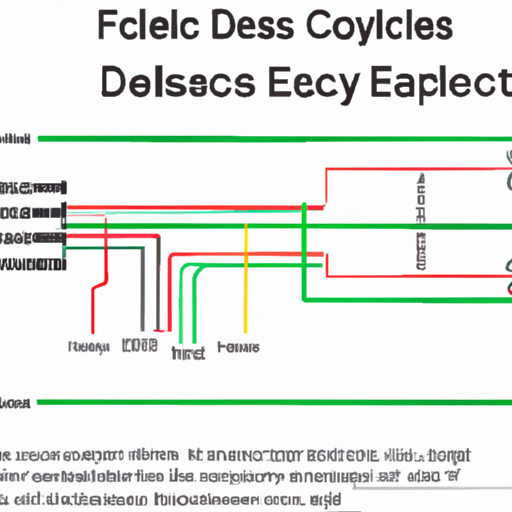
Delay lines, such as the ECS-F1CE225K, are critical components in various electronic applications, particularly in signal processing, telecommunications, and data transmission. Below, we explore the core functional technologies of delay lines and highlight specific application development cases that demonstrate their effectiveness.
| 1. Signal Processing | |
| 2. Data Synchronization | |
| 3. Pulse Width Modulation (PWM) | |
| 4. Analog and Digital Applications | |
| 5. Phase Shift Applications | |
| 1. Telecommunications | |
| 2. Audio Processing | |
| 3. Radar Systems | |
| 4. Industrial Automation | |
| 5. Medical Devices | |
| 6. Consumer Electronics |
The ECS-F1CE225K delay line is a versatile and essential component across multiple fields, from telecommunications to consumer electronics. Its ability to introduce precise delays makes it invaluable for applications requiring signal synchronization and processing. As technology continues to advance, the role of delay lines in enhancing performance and functionality in electronic systems will remain significant, driving innovation and improving user experiences across various industries.
Delay lines, such as the ECS-F1CE225K, are critical components in various electronic applications, particularly in signal processing, telecommunications, and data transmission. Below, we explore the core functional technologies of delay lines and highlight specific application development cases that demonstrate their effectiveness.
| 1. Signal Processing | |
| 2. Data Synchronization | |
| 3. Pulse Width Modulation (PWM) | |
| 4. Analog and Digital Applications | |
| 5. Phase Shift Applications | |
| 1. Telecommunications | |
| 2. Audio Processing | |
| 3. Radar Systems | |
| 4. Industrial Automation | |
| 5. Medical Devices | |
| 6. Consumer Electronics |
The ECS-F1CE225K delay line is a versatile and essential component across multiple fields, from telecommunications to consumer electronics. Its ability to introduce precise delays makes it invaluable for applications requiring signal synchronization and processing. As technology continues to advance, the role of delay lines in enhancing performance and functionality in electronic systems will remain significant, driving innovation and improving user experiences across various industries.